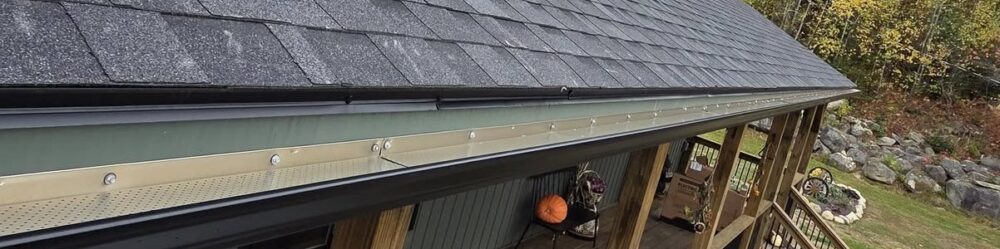
Heated rain gutters are available, although “heated gutters” usually refers to installing heat cables (also called heat tape or heating cables) in and along your existing gutters rather than gutters with built-in heating systems.
How they work
Heat cables are electrical wires that generate warmth when plugged in. They’re installed in a zigzag pattern along the edge of your roof and down through the gutters and downspouts. The heat keeps ice from forming in these critical areas, allowing meltwater to drain properly even in freezing temperatures.
Installation options
You can run the cables just in the gutters and downspouts, or extend them up onto the roof edge in areas prone to ice dams. The most effective installations create a heated path from the warm part of the roof all the way down through the drainage system.
Types available
Self-regulating cables are more expensive but adjust their heat output based on temperature, making them more energy-efficient and safer. Constant-wattage cables are cheaper but use the same amount of electricity regardless of conditions. Some systems have thermostats or sensors that turn them on automatically when temperatures drop.
The reality check
Heat cables do use electricity, so there’s an ongoing operational cost during winter months. They’re most practical for specific trouble spots rather than your entire gutter system. They also require maintenance – cables can wear out, and you need to make sure they’re working before winter hits.
Heat cables are a good solution for persistent ice dam problems in specific areas, but they work best as part of a broader strategy that includes proper insulation and ventilation.